


Our Blog

How to keep your New Year Resolution in 2024

January 5th, 2024

Keeping New Year's resolutions can be challenging- with the right strategies and mindset, staying committed and achieving your goals is possible. Here are some effective ways to help keep those New Year's resolutions:

1. Set Realistic and Specific Goals: Start by setting achievable goals. Be specific about what you want to accomplish and break down into smaller, manageable steps. This will make tracking your progress easier and will help to stay stay motivated.

2. Create a Plan: Develop a detailed plan of action to reach the goals. Write out the steps needed to take and set deadlines for each milestone. Having a plan will give something to follow and keep focus. Vision boards are helpful!

3. Make a Commitment: Make a commitment to yourself and goals. Write down and place the goals someplace visible, like on your fridge, bathroom mirror, or on your phone's lock screen. This constant reminder will help you stay committed and motivated.

4. Track Progress: Keep track of your progress regularly. This could be done through a journal, a habit tracker app, or a spreadsheet. Seeing progress will give you a sense of accomplishment and encouragement to keep going.

5. Find an Accountability Partner: Share goals with a trusted friend or family member who will hold you accountable. Having someone to check in with and share progress can provide the support and motivation you need to stay on track.

6. Celebrate Milestones: Celebrate any achievements along the way. When you reach a milestone or make significant progress, reward yourself with something enjoyable. This will help you stay motivated and make the journey fun.

7. Stay Positive: Be kind to yourself throughout the process. If you experience setbacks or temporary lapses, don't beat yourself up. Instead, focus on getting back on track. Remember setbacks are a normal part of the process, and every day is an opportunity to start fresh.

8. Stay Flexible: Be open to adjusting your goals or strategies if needed. Life is unpredictable, and circumstances may change. If you encounter obstacles or find that your initial plan isn't working, be willing to adapt and find alternative solutions.

9. Look for Support and Resources: Don't be afraid to ask for support or resources to help achieve your goals. Whether it's joining a support group, hiring a coach, or using online resources, plenty of tools are available to assist on your journey.

10. Stay Motivated: Find ways to stay motivated and inspired. This could be reading books or articles related to set goals, listening to podcasts, or following social media accounts that share motivational content. Surround yourself with positive influences- this will keep you motivated and focused.

Lastly, try to remember keeping New Year's resolutions may take some time. It requires consistent effort and dedication. By using these strategies and staying committed, you can increase chances of successfully achieving goals and making lasting changes in your life. Here is to a great 2024!!

Tips during the holiday season with your orthodontic treatment--

December 15th, 2023

When you have braces or appliances, it's important to be mindful of the foods you eat to avoid damaging your braces or appliances--this would cause discomfort. Here are some safe foods to enjoy during the holidays if you have braces or appliances:

1. Softcooked meats: Turkey, ham, and other soft cooked meats are safe to eat as long as they are cut into small, bite-sized pieces and there aren't bones.

2. Mashed potatoes: Creamy mashed potatoes are a great option as they are soft and easy to chew.

3. Cooked vegetables: Steamed or roasted vegetables like carrots, green beans, and broccoli are safe to eat as long as they are cooked until tender and cut into small pieces.

4. Soft bread: Soft bread like dinner rolls or bread rolls without any hard crusts with butter are a great option.

5. Soft desserts: Puddings, mousses, ice cream, and other soft desserts are safe to enjoy. Just be careful not to eat any hard or sticky ingredients.

6. Soft fruits: Bananas, berries, and other soft fruits are safe to eat. Avoid biting into hard fruits like apples or pears unless they are sliced into thin pieces.

7. Soups: Creamy soups or broth-based soups with soft ingredients are a good option.

Remember to cut food into small pieces and chew carefully. Avoid hard, sticky, or crunchy foods that can damage your braces or appliances. It's also important to maintain good oral hygiene by brushing and flossing regularly, especially after meals. This would be a great time to bring your travel hygiene kit given when you started treatment with us!

How to correct an open bite

December 1st, 2023

Correcting an overbite in orthodontics can involve a combination of braces and other orthodontic appliances or Invisalign. Here are the general steps involved in correcting an overbite:

1. Consultation: Call our office and schedule an appointment with Dr. Azizi. He will examine your teeth, take X-rays, and digital scans of your mouth.

2. Treatment plan: Dr. Azizi will develop a personalized treatment plan based on your specific needs. This may involve braces, Invisalign or other orthodontic appliances.

3. Braces: Dr. Azizi will bond brackets to your teeth using a special adhesive if braces are recommended. These brackets act as anchors for the wires that will move your teeth into the correct position over time. The wires are adjusted at your visit to apply gentle pressure and guide the teeth into alignment.

4. Invisalign: Dr. Azizi will write and submit your treatment plan to the Invisalign team. He will put special features in your Invisalign trays to open and correct your bite and also stop the wear down your overbite may cause to your lower teeth.

5. Elastics or rubber bands: Elastics or rubber bands may be used to correct the overbite. They can be used on both Invisalign and braces. If you do not wear the rubber bands as instructed this could push back your treatment.

6. Regular check-ups: Throughout the treatment process, you will have regular appointments with Dr. Azizi to monitor progress, make adjustments, and ensure everything is progressing as planned. It is very important to go to these appointments so treatment doesn't take longer than necessary.

7. Retainers: Once the braces or Invisalign have successfully corrected the overbite, you will need to wear a retainer to maintain the results. Retainers are clear and removable. After a certain amount of time after treatment, you will only need to wear the retainer at night.

It's important to note that the specific treatment plan for correcting an overbite may vary depending on the severity of the overbite and individual factors.

All About Implants!

November 3rd, 2023

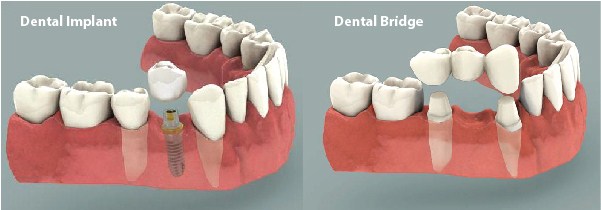
When you are missing a permanent tooth, a dentist may recommend an implant. Typically implants cannot be done until growth has completed. It is important to consult with a dental professional to see if getting an implant is the right solution for your specific situation.

Getting an implant for a missing tooth is important for several reasons:

1. Restoring Function: A missing tooth can affect your ability to chew and speak properly. If you get an implant, you can regain the full function of your mouth. This will allow eating food properly and speaking clearly.

2. Maintaining Oral Health: When a tooth is missing, the surrounding teeth may shift or tilt into the empty space, leading to misalignment and bite problems. The jawbone in the missing tooth area may start to deteriorate over time. Implants help prevent issues by providing stability and support to the surrounding teeth and jawbone.

3. Preserving Facial Structure: Teeth play an important role in maintaining the structure of your face. When a tooth is missing, the jawbone in that area can shrink, causing the face to appear sunken and aged. Implants stimulate the jawbone, preventing bone loss. This will also keep the natural contours of the face.

4. Aesthetics: Missing teeth can impact your smile and overall appearance. Implants are designed to look and feel like natural teeth. Implants can help boost self-confidence and improve overall quality of life.

5. Longevity: Implants are a durable, long-lasting solution for missing teeth. With proper care and maintenance, they can last a lifetime. They're very pricey, but can be best option in the long run compared to other tooth replacement options.

The implant procedure typically involves several steps and may vary depending on individual circumstances. Here is a general overview of the implant procedure:

1. Initial Consultation: The first step is to consult with a dental professional who will evaluate your oral health, take X-rays, and discuss treatment options. They will determine if you are a suitable candidate for dental implants.

2. Treatment Planning: If you are eligible for implants, a comprehensive treatment plan will be created. This plan will consider factors such as the number of missing teeth, the condition of the jawbone, and any additional procedures that may be required; such as bone grafting or other tooth extractions.

3. Implant Placement: The next step is the surgical placement of the implant. This involves making an incision in the gum tissue to expose the jawbone and drilling a small hole to insert the implant screw. The implant is then positioned in the jawbone, and the gum tissue is stitched back into place.

4. Bone Growth: After the implant is placed, a process called osseointegration occurs. This happens when the implant fuses with the surrounding jawbone- creating a strong and stable foundation. This typically takes several months to complete.

5. Abutment Placement: Once the bone growth is successful, a small connector called an abutment is attached to the implant. The abutment serves as a support for the final restoration.

6. Final Restoration: After the gums have healed and the abutment is in place, a custom-made dental crown, bridge, or denture is attached to the abutment. The restoration is designed to match the color, shape, and size of your natural teeth, providing a natural-looking and functional replacement.

7. Follow-up Care: Regular, follow-up appointments will be scheduled to monitor the healing process and ensure the implant is functioning properly. Good oral hygiene practices, including brushing, flossing, and regular dental check-ups are essential to maintain the health and longevity of the implant.

It is important to note that the implant procedure may require multiple visits and can take months to complete.

Contact Us!
call call email