Having braces can be fun and exciting as you see the changes during orthodontic treatment. Braces can also come with some struggles, such as making sure your oral hygiene is on point so you don't end up with bad breath. While having braces, food particles may be trapped under the wire and around the brackets. This can cause issues if you do not maintain good oral hygiene. Tips on keeping fresh breath while braces are:
1.Maintain a consistent brushing routine: Brushing your teeth with braces is very important. You need to make sure to brush after every meal, even snacks. This removes the food particles that get stuck under the wire and around the brackets. Flossing will also keep the plaque off your teeth which can cause bad breath if not removed. Always keep a travel toothbrush kit on hand, whether in your backpack, car, locker, etc.
2.Dont forget to floss: Many times people forget to floss when they have braces or they just don't try because it is time consuming. It's very important to use the floss threaders to floss after every meal and at wake up/bedtime. Flossing helps remove food particles that may be caught in between teeth that cannot be removed with just brushing.
3.Use mouthwash: Make sure to add mouthwash into your brushing routine, this will kill any germs in your mouth and give you nice fresh breath. A mouthwash that contains fluoride is best to help strengthen the teeth and prevent cavities!
4. Hydration: Drinking a lot of water is key to prevent dry mouth which can cause bad breath. Keeping hydrated throughout the day also helps wash away any particles stuck in your braces. It is a good idea to carry a water bottle with you as a reminder to stay hydrated.
5.Brush orthodontic appliances: If you have an orthodontic appliance in addition to the braces, make sure it is brushed as well! If you have an appliance is glued into your mouth, give it a good brush in case any food is trapped there. If you have a removable appliance, make sure to brush it with your toothbrush and toothpaste to remove any bacteria and prevent any odors.
The lifespan of orthodontic retainers can vary depending on several factors: the type of retainer, how well the retainer is cared for, and patient dental work.
1. Permanent Retainers: These are bonded to the back of teeth and can last for several years, as long as the patient maintains good oral hygiene and stays away from food that could break the retainer. A permanent retainer follows the same guidelines as having braces.
2. Hawley Retainers: These can last 5 to 10+ years with proper care. Hawley retainers are made from acrylic and metal. Their durability depends on how well they are taken care of. Hawley retainers are a type of retainer which should be removed when eating and drinking anything other than water. To keep the retainer clean- brush with a toothbrush and toothpaste.
3. Clear Retainers: These can last 3+ years if taken care of. They are more appealing since they are clear and can't be seen while wearing. Clear retainers need to be removed when eating and drinking anything other than water. If you drink anything with a tint the retainers will discolor.
Reasons retainer will last or need to be replaced:
Care and Maintenance: Proper cleaning and storage will extend the life of removable retainers. Always put the retainers in the case when not wearing and always keep clean so it will not discolor. This will help keep the retainers looking new.
Compliance: Consistent use as instructed by the orthodontist is important. If retainers are not worn as directed, teeth may shift and the retainers will not fit. If that happens- you would need to have another consultation with the orthodontist to see if retreatment is necessary. If not interested in retreatment but don't want any further changes you would need to get a new retainer.
Changes in Dental work: If you get a crown, implant, bridge, etc. there is a chance the retainer will not fit and you will need to see your orthodontist to get fitted for a new retainer.
Losing/breaking retainer: It is important if you lose or break the retainer to reach out to your orthodontist to be seen and fitted for a new one as to not relapse and need treatment again.
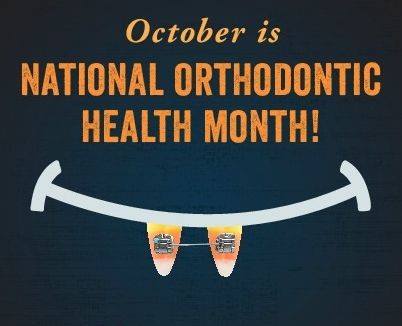
October is Orthodontic Month! This is the time to celebrate and raise awareness of orthodontic care and how it improves oral health and well-being.
Orthodontics is a type of dentistry that focuses on correcting misaligned teeth and correcting jaw relationships. This can involve the use of braces, aligners, retainers, and other dental appliances to straighten teeth and improve the jaw relationship. Orthodontic treatment not only makes the appearance of your smile look better, but it also plays an important role in improving your oral health.
Misaligned or crowded teeth can be difficult to clean properly, which can lead to a higher risk of tooth decay, gum disease, and other oral health issues. By straightening teeth with orthodontics, it will be easier to floss and brush. This helps to maintain good oral hygiene and prevent oral problems in the future.
Orthodontic treatment can also have a positive impact on your overall well-being. A straight smile can boost your self-confidence, enhance your appearance, and improve your quality of life. You can see that people with straight teeth are more likely to feel confident in social as well as professional situations!
During Orthodontic Month, it's important to recognize the dedicated orthodontists and assistants who work hard to help patients achieve beautiful, healthy smiles. If you have been considering orthodontic treatment, now is the perfect time to schedule a complementary consultation at our office and begin your journey towards a straighter smile!
Make sure if you have an appointment during the month of October, to give Dr.Azizi a big thank you and recognition for all he does for his patients!
As summer comes to an end, kids will be heading back to school it's important to remember the importance of orthodontic care for students who are undergoing treatment. Whether your child is starting their first year of school with braces or invisalign maintaining good oral health during the school year is crucial.
One of the most important things to remember when it comes to orthodontic care during the school year is to continue following your orthodontist's instructions. This means wearing your rubber bands or invisalign as directed, and keeping up with regular check-ups. It's easy to get caught up in the hustle and bustle of the school year, but staying consistent with your orthodontic care is essential for achieving the best results.
Another important part of back-to-school orthodontic care is maintaining good oral hygiene. With busy school schedules, it can be easy to forget to properly brush and floss but it's important to make time for these tasks. Brushing and flossing regularly will help prevent cavities, gum disease and other oral health issues which can happen while wearing braces or other orthodontic appliances.
It's also important to be mindful of what is eaten during the school year, especially if wearing braces. Avoiding sticky, hard, or chewy foods can help prevent damage to braces and keep treatment on track. Pack braces-friendly snacks and lunches for school, and be sure to brush your teeth after lunch to keep braces clean and free of food particles.
If you have invisalign make sure to remove and place it in case so not lose the trays. When done eating go into to the bathroom, rinse mouth and brush teeth and run water over invisalign trays then return them to your mouth. Do not wrap invisalign trays in a napkin or paper towel-doing so could cause them to be thrown out.
Back-to-school orthodontic care is important to maintain good oral health and achieving the best results from orthodontic treatment. By following the orthodontist's instructions, practicing good oral hygiene, watching what you eat, and scheduling regular check-ups, you can help make sure treatment stays on track and you achieve a healthy, beautiful smile. We hope everyone has a great school year!