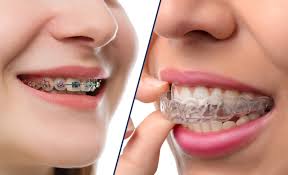
1. Consult with your orthodontist to discuss your options and determine the best treatment plan for your needs.
2. Figure out the cost and payment options for braces or Invisalign, as well as any insurance coverage you may have.
3. There may be some discomfort when you first start treatment. You may need to adjust your eating habits at the beginning of wearing braces or Invisalign.
4. Make sure to continue good oral hygiene especially with braces-as they can make it more difficult to clean your teeth. You will need to make sure you are brushing your Invisalign, too, in the morning, night and after eating.
5. Make sure you are responsible with keeping the Invisalign safe and in the case when not in your mouth so you do not lose them.
After getting braces or Invisalign:
1. Follow the orthodontist's instructions for caring for your braces or Invisalign.
2. Attend all scheduled appointments for adjustments and check-ups with your orthodontist.
3. Be prepared for some discomfort after each adjustment, as your teeth are being moved into the correct position.
4. Avoid certain foods that can damage your braces, such as hard or sticky foods.
5. Stay patient and trust the process – braces or Invisalign take time to straighten the teeth, but the end result will be worth it!!!
Baby teeth, also known as primary teeth, play an important role in a child's overall development. Baby teeth start to erupt in a baby around the age of six months and by the time a child is three years old they typically have all 20 baby teeth. Baby teeth are temporary but they are important because they are needed for a child's ability to chew, speak, and maintain alignment for the permanent teeth.
Many believe baby teeth are not important since they will eventually fall out. This is inaccurate, baby teeth serve as placeholders for permanent teeth. If a baby tooth is lost prematurely it may lead to alignment issues with permanent teeth. In this case, Phase 1 orthodontic treatment would be necessary.
It is important to start caring for your child's teeth as soon as they start to erupt. This includes gently brushing baby teeth with a soft toothbrush and using a tiny amount of fluoride toothpaste. Make sure to brush every morning and every night before bed. It is also recommended for children see the dentist for regular check-ups starting around their first birthday.
Another important part of caring for baby teeth is watching the development and looking for any signs of decay or infection. Common signs of tooth decay in children include discoloration, sensitivity to hot or cold foods, and pain while chewing. If there are any signs of decay to the baby teeth it is important to see the dentist, especially since decay may harm developing permanent teeth. Teaching proper oral hygiene habits from a young age and monitoring dental health can aid in a lifetime of good oral health.
1. Removes plaque and food: Flossing helps to remove plaque and food that may be stuck between your teeth and along the gumline, which can lead to tooth decay and gum disease.
2. Prevents bad breath: Flossing helps to remove bacteria and food that can cause bad breath.
3. Protects against gum disease: Flossing helps to prevent gum disease by removing plaque that can irritate the gums and cause inflammation.
4. Prevents cavities: Flossing helps to remove plaque and bacteria from between your teeth, reducing the risk of cavities.
5. Improves overall oral health: Flossing is a vital part of a good oral hygiene routine and helps to maintain the health of your teeth and gums.
6. Reduces the risk of other health problems: Poor oral health has been linked to other health issues such as heart disease, diabetes, and respiratory problems. Flossing regularly can help reduce the risk of these health problems.
1. Ribs: Ribs are tough and can be difficult to chew and cause damage to braces if biting into the bone.
2. Corn on the cob: Corn on the cob can be hard to eat with braces and may get stuck in between brackets and wires. Brackets can break or the wire if you accidentally bite into the cob.
3. Sticky or chewy foods: Foods like caramel or taffy can easily get stuck in and break the braces.
4. Hard breads and rolls: Bread that is too crispy or tough can be difficult to eat with braces and will cause damage.
5. Tough cuts of meat: Steaks or other tough cuts of meat can be challenging to chew with braces and may also cause damage. Cut into very tiny pieces if you eat steak.
6. Hard fruits and vegetables: Apples, carrots, and other hard fruits and vegetables can be difficult to bite into with braces and may cause brackets to break so it is very important to cut produce into small slices.
7. Nuts and seeds: Small, hard foods like nuts and seeds can easily get lodged in braces and be difficult to remove.